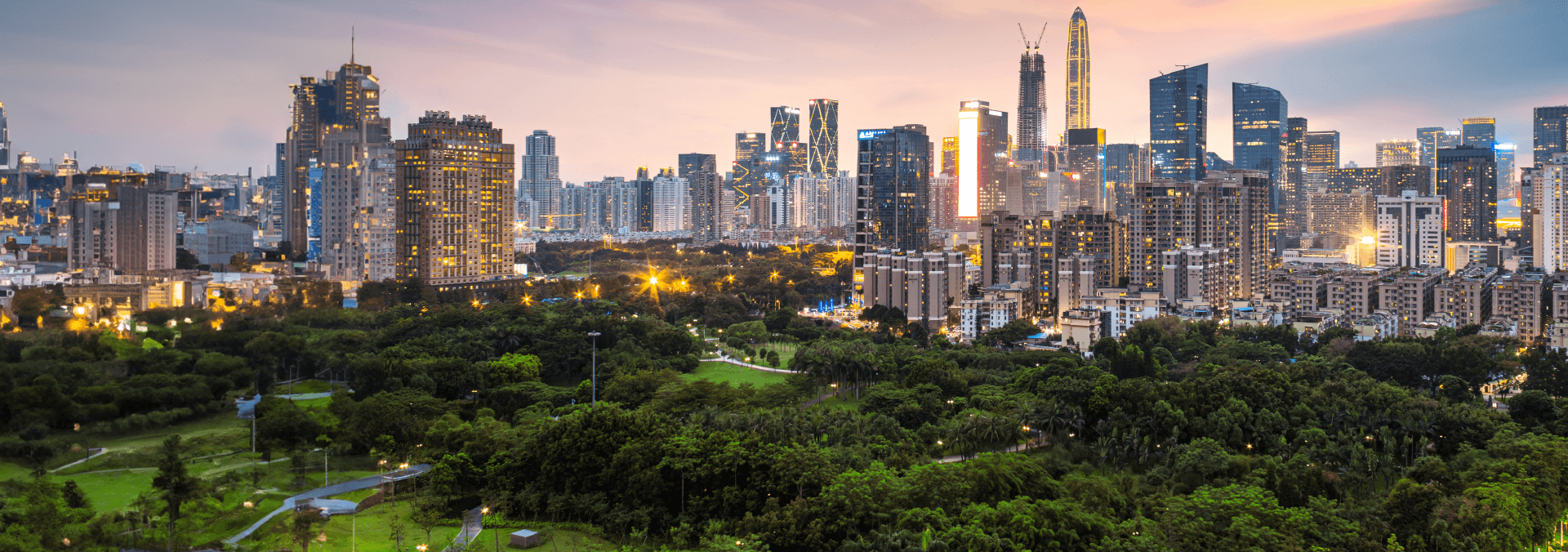
According to a study conducted by the United Nations, cities with well-planned green spaces and sustainable architecture usually experience a 10-15% reduction in air pollution levels, which improves air quality and respiratory health in urban areas.
This article will explore the growing trend of greening public spaces in intelligent cities through sustainable architecture and highlight this approach's benefits and how it reshapes urban landscapes environmentally.
Circular Economy and Waste Management
In smart cities, sustainable architecture extends beyond energy efficiency to circular economy and waste management techniques. Cities can minimize landfill waste by implementing recycling initiatives, waste-to-energy programs, and innovative waste collection systems.
These initiatives can contribute to a more sustainable waste management ecosystem. Practices such as these contribute to resource conservation and support circular and regenerative economies in cities.
The circular economy views waste as a valuable resource. In the circular supply chain, waste-to-energy technologies, recycling initiatives, and repurposing practices ensure that discarded materials are reintegrated into production processes, diminishing the reliance on new resources. This approach emphasizes efficiency in utilizing assets, resulting in waste reduction and diminished emissions of greenhouse gases, thus making a significant contribution to addressing climate change.
Biodiversity Preservation
Greening urban spaces benefits both habitats and biodiversity. A smart city can create urban ecosystems that attract and support diverse plant and animal species by preserving green corridors, incorporating wildlife-friendly designs, and planting native plants. Biodiversity conservation is crucial for ecological balance and resilience.
According to the Intergovernmental Science-Policy Platform on Biodiversity and Ecosystem Services (IPBES), biodiversity protection can enhance ecosystem productivity, increase resilience to climate change impacts, and improve ecosystem services critical to human wellbeing.
Smart cities embrace innovative approaches to integrate biodiversity preservation into urban planning and development. There is no doubt that biodiversity plays an essential role in creating resilient, sustainable, and livable urban environments in these forward-looking cities.
Sustainable Architecture for Energy Efficiency
Sustainable architecture practices, such as green building design and passive solar technologies, are becoming increasingly common in intelligent cities. Energy-efficient buildings, solar panels, and rainwater harvesting systems reduce carbon footprints and energy consumption.
Intelligent energy management systems can optimize building energy efficiency, making cities more resilient and less dependent on non-renewable energy sources.
The concept of sustainable architecture for energy efficiency is a transformative approach to building design that reflects a commitment to environmental stewardship and resource conservation. Buildings can reduce the carbon footprint through passive design, integrating renewable energy, and implementing intelligent energy management systems.
As a result, they can contribute to climate change mitigation. In an era when cities and communities increasingly focus on sustainable development, sustainable architecture can serve as a beacon of hope. Ensure a greener future for generations by building greener buildings.
Did you know…?
A World Green Building Council study found that green spaces and sustainable architecture can reduce energy consumption by up to 25%. Creating eco-conscious and resilient intelligent cities begins with greening urban areas through sustainable architecture.
Smart cities can lead the way in environmental conservation and serve as models for constructing a cleaner, greener, and more environmentally friendly future. Sustainable development is the key to achieving this goal.
At SONDA, we strengthen technological development for increasingly Smart Cities by providing our knowledge and experience to implement solutions and services that support digital transformation.
Latest news
Investors
News
SONDA increases its revenue by 10.8% to US$1,145 million and its EBITDA grows 15.9% to US$94.1 million as of September 2026
Net income reached US$13.1 million, up from US$5.8 million in the same period of the previous year. Excluding the effects of asset sales and profit from discontinued operations, net income increased 21.6% compared to the same period of the previous year.
Investors
News
SONDA raises its net income to US$11 million in the first half of 2026, US$7.4 million higher than the same period of the previous year
The increase is largely explained by better operating income and revenue from the sale of subsidiaries and non-strategic real estate assets, which represent net income after taxes of US$4.6 million.
Smart Cities Connect
Technology
Automated Fare Collection Systems: A Guide for IT and Procurement Teams
A technical overview of automated fare collection systems — how AFC architecture works, which payment technologies are in use, and what US transit agencies need to know before modernizing.